
2 hr
Tamarindo Mangrove Kayak & Monkey Encounter
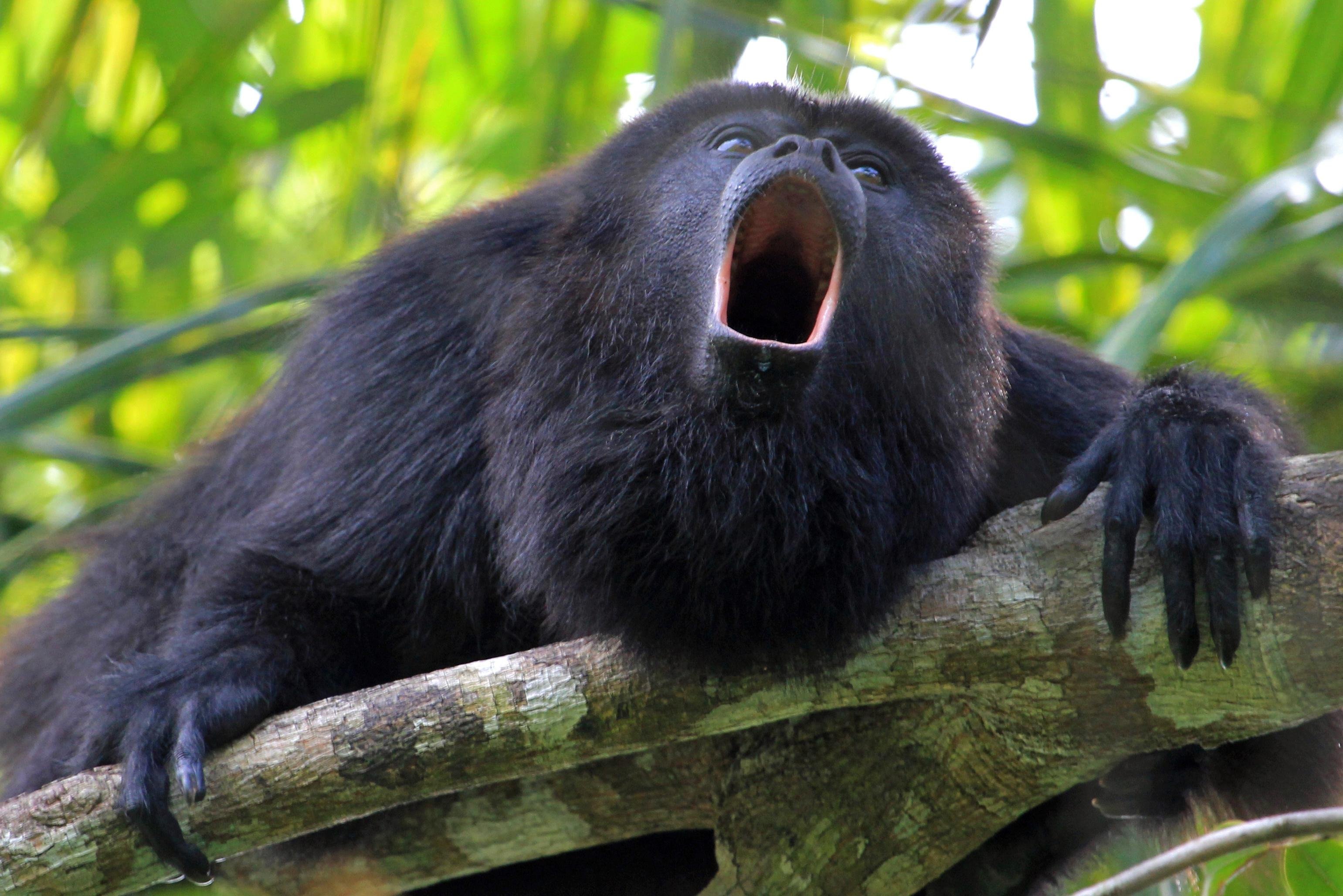
Paddle through coastal mangroves to observe howler monkeys, tropical birds, and diverse wildlife in their natural environment.
Reserve
Hand-picked by our editors — only the best 5 wildlife kayak experiences from 18 reviewed.
Verified partners for every tour, free cancellation where available, and instant confirmation on every booking.
2 hr
Paddle through coastal mangroves to observe howler monkeys, tropical birds, and diverse wildlife in their natural environment.
Reserve
2 hr
Discover Costa Rica's wildlife-rich mangrove ecosystem on a guided waterway tour through protected wetlands
Reserve
2 hr 30 min
Paddle or cruise through mangrove channels spotting birds, monkeys, and learning about the coastal ecosystem
ReservePrices from verified partners. Availability updates in real time at checkout. Free cancellation policies apply where shown.
The landmarks, rooms, and views travelers on this tour remember — all visible on a single visit.
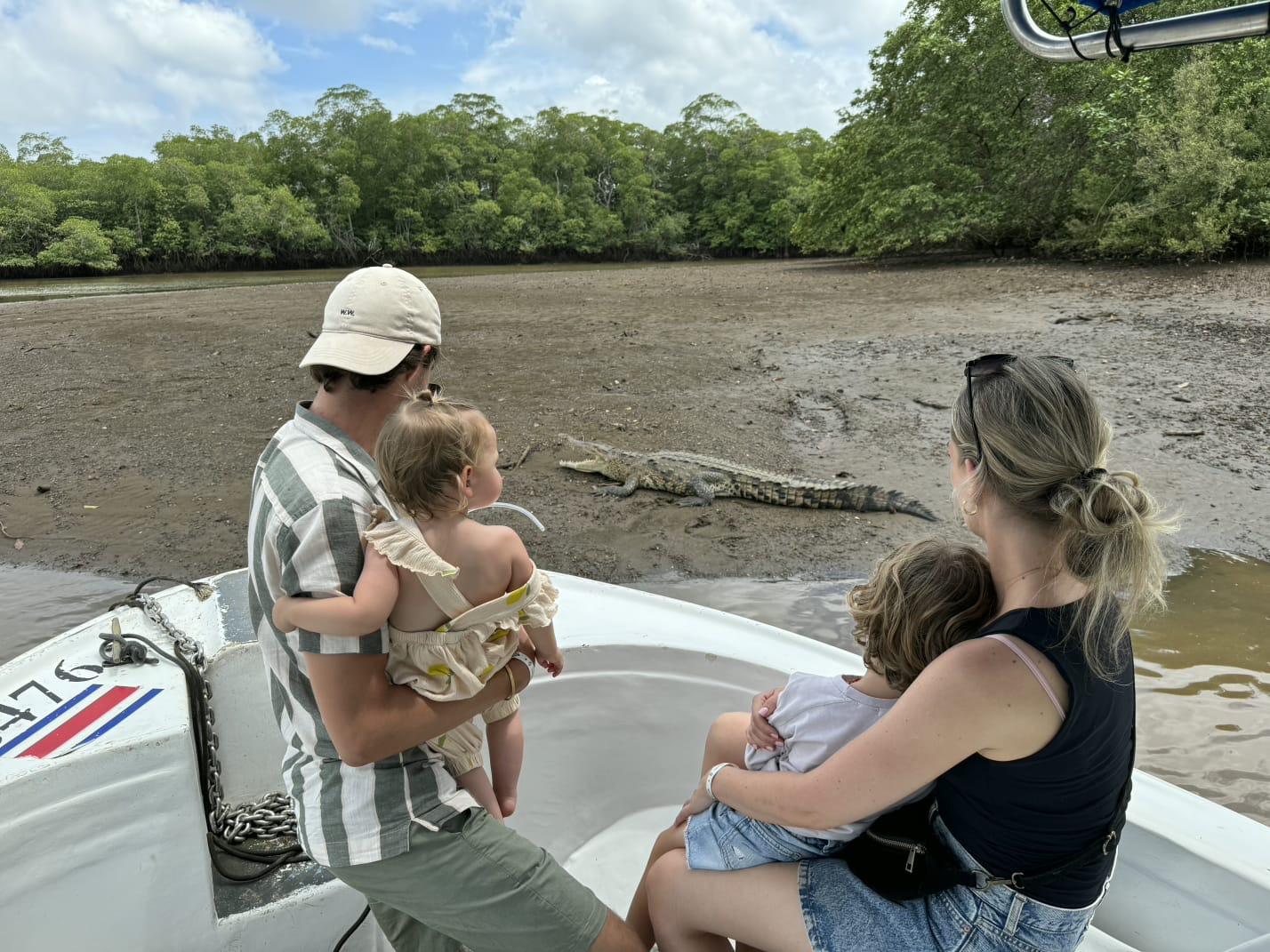
This dense ecosystem serves as a vital nursery for fish and a sanctuary for diverse wildlife including crocodiles and iguanas.
Tamarindo Mangrove Forest
Paddle through narrow, shaded channels that offer a serene environment for spotting monkeys in the treetops.
Tamarindo Estuary Canals
This transition zone between river and ocean is a prime spot for observing migratory waterbirds and coastal fish species.
Matapalo River Mouth
Recognized for its global ecological importance, this area provides critical habitat for the endangered leatherback turtles.
Las Baulas Biological Corridor
A smaller, intimate estuary sector within the park offering unique opportunities for quiet observation of nature.
San Francisco Estuary
Kayaking provides a silent, immersive connection to the estuary's biodiversity, whereas motorized boat tours offer comfort and a faster pace through the Las Baulas National Marine Park waterways.
| Feature | Top pick Kayak Tour | Motorized Boat Tour |
|---|---|---|
Physical exertion level |
Moderate (paddling required) | None (seated passenger) |
Noise level and wildlife impact |
Silent (minimal disturbance) | Low to moderate engine noise |
Accessibility for children and elderly |
Limited (requires mobility) | High (easy boarding) |
Speed of travel |
Slow and steady | Fast and efficient |
Proximity to wildlife |
High (stealth approach) | Moderate (main channel focus) |
Ability to reach narrow channels |
Excellent (shallow draft) | Restricted (deeper draft) |
| See tickets → |
Verdict: Choose the tamarindo kayak estuary mangrove tour for intimate wildlife encounters, or select a motorized boat for an effortless group excursion through the Guanacaste mangroves.
Choose your ticket, select your date, and reserve in under two minutes. Secure checkout handled by our verified partner.
Instant confirmation by email, with a mobile voucher you can save offline. No printing, no queuing at a collection desk.
Arrive at the entrance, show your voucher on your phone, and walk in. Most tickets include priority or skip-the-line access.
Practical details for your visit straight from our verified partners — hours, access, rules, and how to get there.
Wear light, breathable clothing suitable for a tropical climate. Long pants are recommended for evening excursions to protect against mosquitoes, while secure sandals or water shoes are ideal for the tamarindo kayak estuary mangrove tour.
Keep belongings minimal and secure them in waterproof bags. Tamarindo kayak estuary mangrove tour operators typically provide limited storage, so it is best to bring only essential items on the water.
The tamarindo kayak estuary mangrove tour provides excellent opportunities for wildlife photography. Keep cameras protected from water splashes and prioritize silent, non-intrusive shooting to avoid disturbing the native fauna.
Tamarindo kayak estuary mangrove tour participants should have basic cardiovascular health, as paddling requires moderate physical effort. The terrain within the mangrove canals and forest hikes is not suitable for wheelchair users.
Families enjoy the tamarindo kayak estuary mangrove tour for its educational wildlife encounters. Children should be comfortable in a boat and able to follow safety instructions provided by the guide.
Bring plenty of water for your tamarindo kayak estuary mangrove tour. Some operators provide light snacks or fresh fruit, but hydrating throughout the excursion is essential in the Guanacaste heat.
Best time to go, insider tips, nearby landmarks, and the cancellation fine print — flip through to skim what matters to you.
Flexible, no hidden fees.
For a full refund, you must cancel your tamarindo kayak estuary mangrove tour at least 24 hours before the scheduled departure time. This policy ensures conservation fee funds from the 10 USD per person park entrance are managed effectively.
The Tamarindo Estuary within Las Baulas National Marine Park protects one of the Pacific coast's last intact mangrove forests, a 480-hectare labyrinth of red, white, black, and buttonwood mangroves whose tangled roots filter freshwater before it meets the ocean. Established in 1991 to safeguard nesting habitat for the critically endangered leatherback sea turtle, the park encompasses not only the beaches where these giants come ashore between October and March but also the estuary that sustains the broader coastal ecosystem. The mangrove channels serve as nursery grounds for snappers, jacks, and Pacific mojarra, while the dense canopy shelters over 170 bird species. White ibises wade through shallows at dawn. Boat-billed herons nest in the upper branches. Roseate spoonbills appear during the dry months, their pink plumage stark against the green. The estuary's ecological importance extends beyond its borders. Mangrove roots stabilize sediment, preventing erosion along the Tamarindo riverbanks. The forest sequesters carbon at rates higher than terrestrial rainforests. Its brackish water supports a food web that begins with the decomposition of mangrove leaves and culminates in apex predators like crocodiles and caimans. American crocodiles, some exceeding four meters in length, bask on mudbanks during low tide. Spectacled caimans patrol narrower channels. The mangroves also provide habitat for three primate species: mantled howler monkeys, whose guttural roars echo across the water at sunrise, white-faced capuchins that forage for crabs and mollusks among the roots, and the occasional troop of Central American spider monkeys. Tamarindo kayak estuary mangrove tours depart from the town's northern edge, where the Rio Matapalo feeds into the protected zone. Kayak routes wind through channels too shallow for motorboats, offering silent passage beneath arching branches. The best visibility occurs during incoming tides, when fish move into the mangroves to feed and wading birds follow. Early morning departures between six and ten align with peak animal activity before midday heat drives wildlife into shade. The park entrance fee of ten dollars per person supports conservation programs, including habitat restoration and leatherback monitoring. Guided tours provide naturalist interpretation, identifying tree species by their root structures—red mangroves with their distinctive prop roots, black mangroves with pneumatophores that jut from the mud like snorkels, white mangroves growing farther inland where salinity drops. The estuary's role in Tamarindo's transformation from fishing village to tourism hub reflects broader tensions between development and preservation. As hotels and vacation rentals expanded along Playa Tamarindo in the 1990s, the national park system drew a boundary around the mangroves, ensuring that at least this fragment of the original coastline would remain navigable only by paddle and pole.
"Mangrove roots sequester carbon at rates higher than terrestrial rainforests while stabilizing sediment along the Tamarindo riverbanks."
A step-by-step walkthrough of the visit — what you'll see, how long each stage takes, and the details that matter.
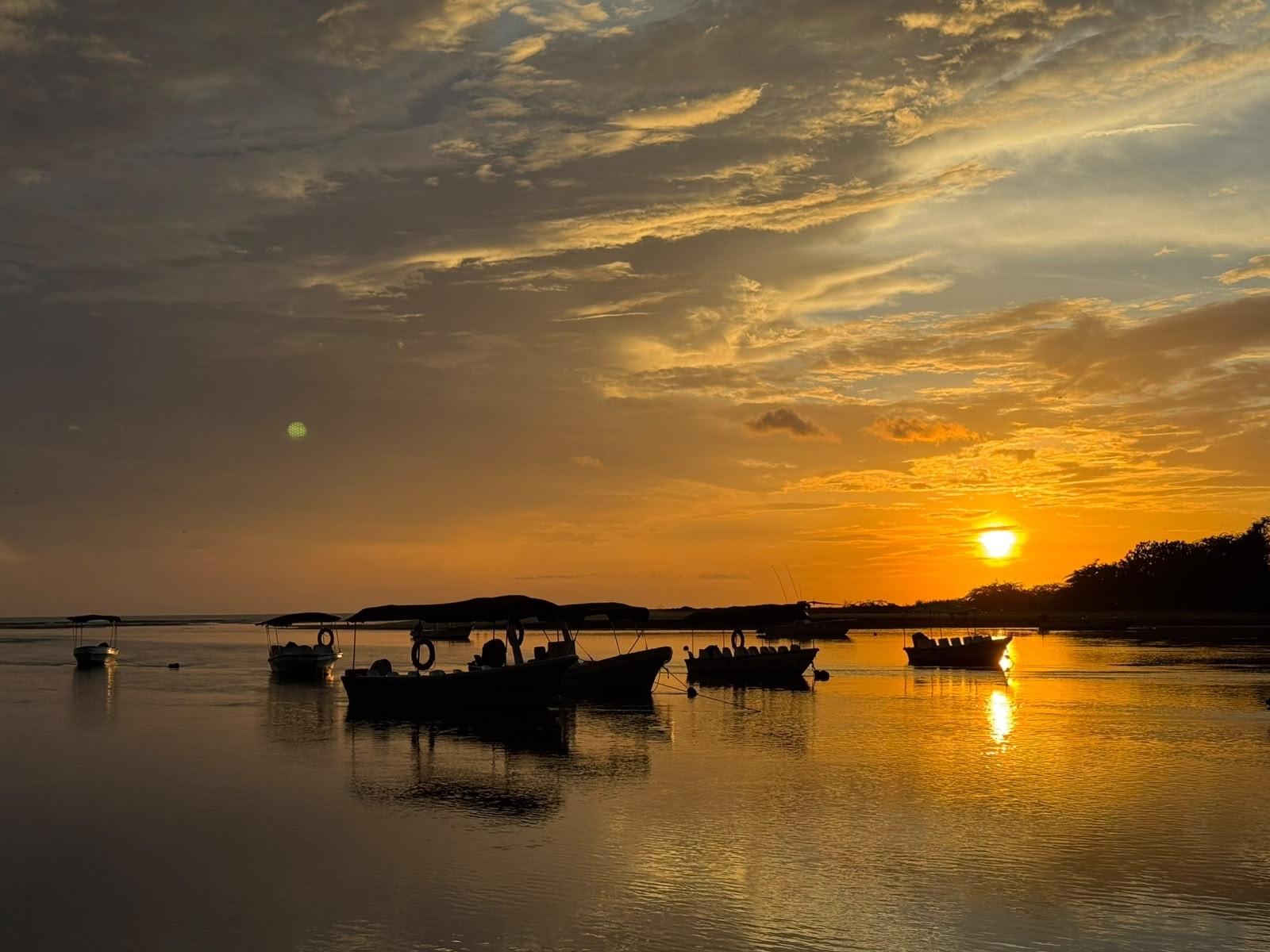
You arrive at the kayak launch on the Rio Matapalo's northern bank as the six o'clock light turns the water amber. Your guide hands you a paddle and a dry bag, then steadies the kayak while you step in. The first strokes take you past a stand of red mangroves, their prop roots forming Gothic arches above the surface. A green heron freezes on a low branch, then lifts off with two slow wingbeats. The channel narrows. You duck beneath an overhang where black mangrove pneumatophores rise like a field of wooden stakes. Your guide points left—a basilisk lizard sprints across the water on its hind legs before vanishing into leaf litter. The incoming tide carries you deeper into the forest. You pause to watch a troop of howler monkeys cross from one tree to another, their weight bending the branches. A male roars, the sound vibrating through your chest. Rounding a bend, you enter a wider pool where white ibises probe the mud with curved bills. Your guide cuts the motor on the accompanying safety boat and drifts alongside. He lifts his binoculars toward a crocodile sunning on a mudbank thirty meters away, its jaws open for thermoregulation. You photograph the reptile, then paddle forward as a roseate spoonbill sweeps low over the water. The return route follows a different channel, this one lined with buttonwood trees. You glide past a caiman, only its eyes and nostrils visible above the surface, before emerging back into open water where Tamarindo's beach curves into view.
The Las Baulas National Marine Park is open from 06:00–18:00 daily, allowing flexibility for your tamarindo kayak estuary mangrove tour.
Standard operator tours typically include the 10 USD per person park entrance fee in their booking price.
The best arrival window for a tamarindo kayak estuary mangrove tour is 06:00–10:00 to enjoy cooler temperatures and higher wildlife activity.
Yes, the tamarindo kayak estuary mangrove tour is a highly recommended family activity that balances education and adventure.
Please avoid bringing drones or single-use plastics on your tamarindo kayak estuary mangrove tour to protect the ecosystem.
The meeting point for the tamarindo kayak estuary mangrove tour is located near the river mouth at the end of Tamarindo town.
Yes, the tamarindo kayak estuary mangrove tour operates throughout the year, though schedules may shift slightly for tides.
Yes, you are encouraged to bring cameras on your tamarindo kayak estuary mangrove tour to capture the diverse birdlife and monkeys.
During your tamarindo kayak estuary mangrove tour, keep an eye out for howler monkeys, crocodiles, green iguanas, and various tropical birds.